
PERSPECTIVE 01 : 우리는 왜 기꺼이 선택권을 내려놓는가
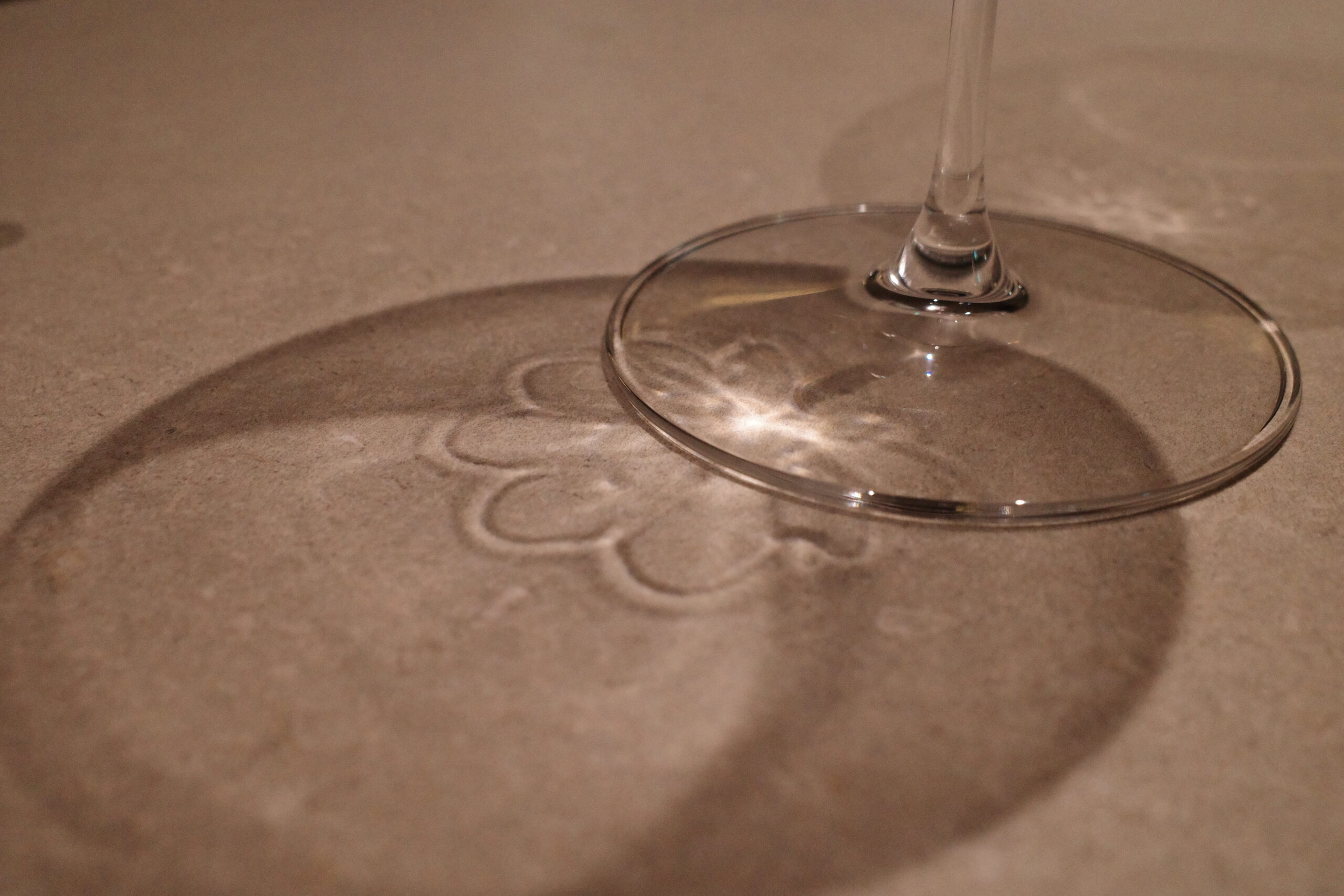
우리는 대게 더 많은 돈을 지불할수록 더 많은 선택권을 갖는다. 호텔에서는 객실의 등급을 고르고, 자동차에는 원하는 옵션을 더한다. 가격이 높아질수록 선택은 세분화되고, 서비스는 개인의 취향에 가까워진다.
그런데 파인다이닝에서는 이 익숙한 공식이 반대로 작동한다. 가격은 높아지는데 선택지는 줄어든다. 일반적인 레스토랑에서는 메뉴판을 펼쳐 그날 먹고 싶은 것을 고르지만, 많은 파인다이닝 레스토랑에서는 이미 정해진 하나의 코스를 마주한다. 오늘의 재료부터 조리 방식과 순서, 한 접시의 양까지 대부분의 결정은 앉기 전에 이미 끝나 있다.
손님에게 남겨진 가장 큰 선택은 이 식사를 경험할 것인지 아닌지 정도일지도 모른다. 그럼에도 우리는 왜 더 많은 비용을 지불하면서 기꺼이 선택권을 내려놓을까.
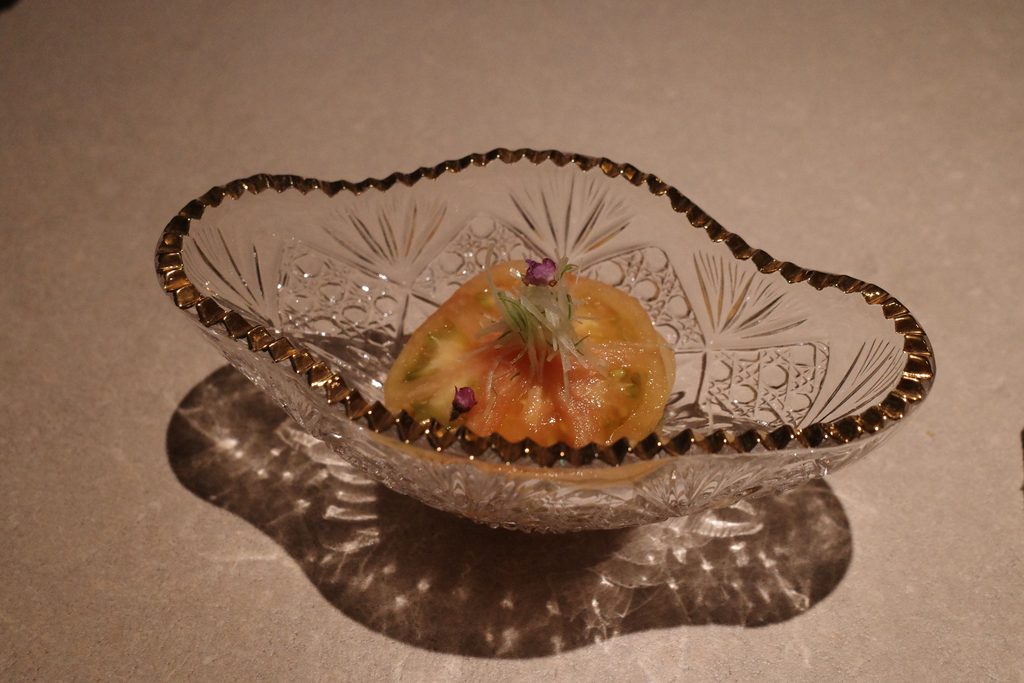
선택권을 내려놓는 순간, 식사의 주도권은 레스토랑으로 넘어간다. 여기서 맡기는 것은 단순히 ‘오늘 무엇을 먹을지’가 아니다. 무엇으로 시작하고 어디에서 맛을 끌어올리며, 각 접시의 온도와 양, 다음 접시로 이어지는 흐름을 어떻게 조율할지. 한 끼의 처음과 끝을 이루는 판단 전체를 맡긴다.
코스에서 하나의 접시는 홀로 존재하지 않는다. 한 접시의 양은 다음 접시를 남겨두고 결정되고, 지금의 맛은 앞서 지나온 맛 위에서 느껴진다. 어느 순간 강해지고 어느 순간 가벼워질지까지 서로 연결되어 있다. 손님이 개별적인 선택을 내려놓을 때 비로소 레스토랑은 한 접시가 아닌 한 끼 전체를 설계할 수 있다. 우리는 무엇을 먹을지 하나씩 고르는 대신, 처음부터 마지막까지 누군가가 완성한 식사를 받아들인다. 파인다이닝에서 선택권을 내려놓는 이유는 여기에 있다. 하나의 메뉴를 고르는 대신, 한 끼 전체를 맡기는 것이다.
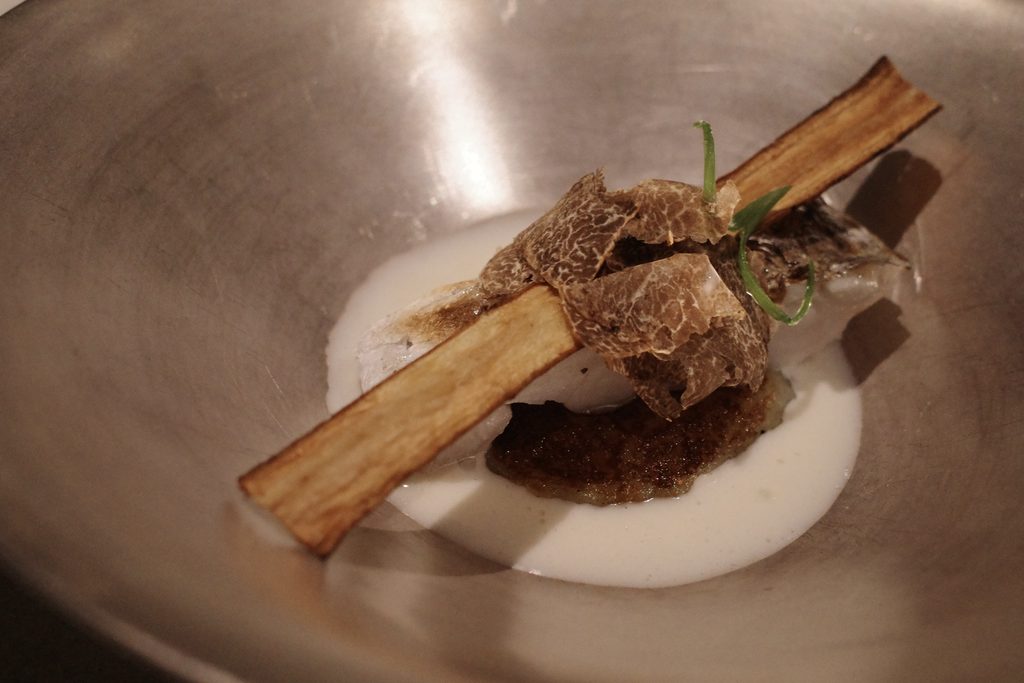
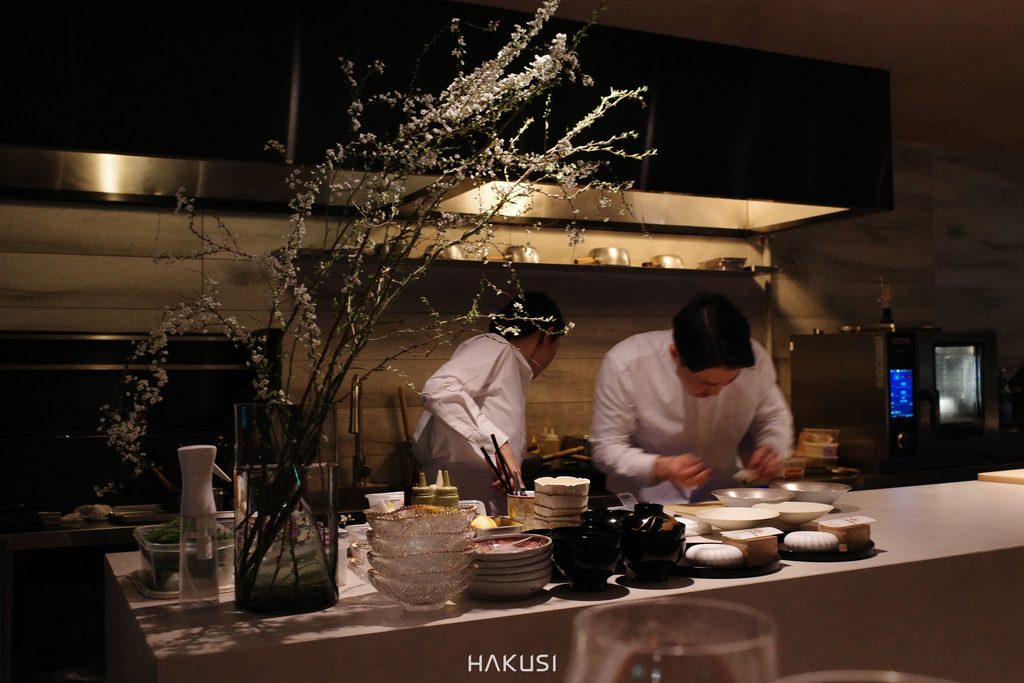
그렇다면 우리는 무엇을 믿고 몇 시간의 식사를 누군가에게 맡길까. 결국 쉐프라는 사람의 판단을 믿는다.
코스는 수많은 가능성을 하나씩 지워나간 끝에 남은 결과다. 지금 가장 좋은 재료를 고르고, 그 재료를 어떻게 다룰지 결정한다. 무엇을 함께 놓을지, 무엇을 덜어낼지, 완성된 요리를 어느 지점에 놓을지도 선택한다. 하나가 남을 때마다 다른 가능성은 사라진다. 좋은 재료라고 모두 사용할 필요는 없다. 할 수 있는 기술이라고 모두 보여줄 이유도 없다. 더해야 하는 순간이 있는가 하면, 더하지 않는 것이 더 나은 순간도 있다. 그 경계를 판단하는 일에는 메뉴얼이 없다.
같은 재료를 수없이 다루고 계절마다 달라지는 상태를 지켜보며, 수많은 시도와 실패를 거치는 동안 판단은 정교해진다. 무엇을 할 것인가만큼 어디에서 멈출 것인가에도 시간이 필요하다. 그리고 그 판단에는 자연스럽게 그 사람의 취향과 관점이 스며든다. 수없이 반복된 판단은 결국 그 사람만의 기준이 되고, 그 기준은 요리와 코스 안에 드러난다. 우리가 맡기는 것은 오랜 시간 만들어진 누군가의 판단과 기준이다. 잠시 다른 사람의 취향과 시선으로 음식을 경험해보는 일이다.
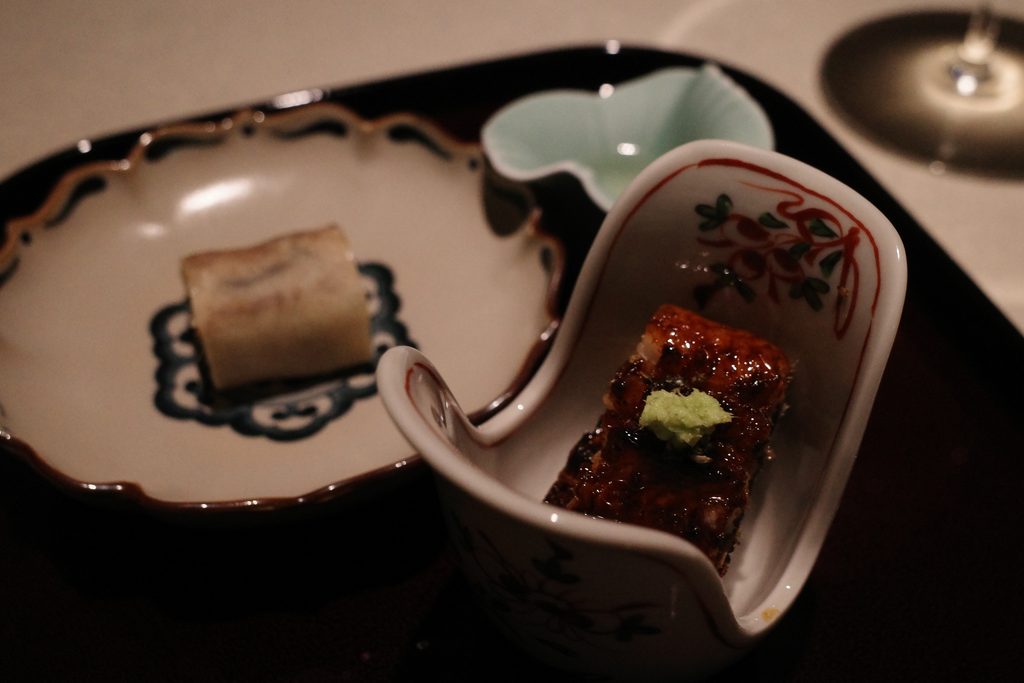
다시 처음의 질문으로 돌아가 본다. 왜 우리는 더 많은 비용을 지불하면서 기꺼이 선택권을 내려놓을까.
파인다이닝에서 선택하지 않는다는 것은 선택권을 잃는 일이 아니라, 선택의 단위가 달라지는 일이다. 하나하나의 메뉴를 고르는 대신 누구에게 맡길지를 선택한다. 그 선택 안에는 한 사람이 오랜 시간 쌓아온 경험과 판단, 그리고 무엇을 중요하게 바라보는지에 대한 관점이 함께 들어 있다.
좋은 코스를 경험하고 나면 모든 디쉬가 선명하게 기억되지 않는다. 하지만 그 식사가 어떤 방향으로 흘렀는지, 어떤 계절을 보여주었는지, 무엇을 중요하게 여기는 요리였는지는 하나의 인상으로 남는다.
무엇을 먹을지를 고르는 대신, 한 사람이 쌓아온 세계에 한 끼를 맡기는 것. 우리는 더 적게 선택하는 대신, 더 큰 하나를 선택한다.
PERSPECTIVE 01: Why Do We Willingly Give Up the Right to Choose?
We usually expect that the more we pay, the more choices we will have. At a hotel, we choose the type of room we want; when buying a car, we choose its color and options. In many cases, a higher price gives us greater freedom to tailor something to our preferences. The ability to choose has long been considered part of good service.
But something slightly unusual happens in fine dining. As the price rises, the number of choices available to the guest often decreases. At a typical restaurant, we open a menu and choose what we feel like eating that day. Everyone at the table can order something different, and even the order in which we eat is largely up to us. At many fine dining restaurants, however, a single course menu has already been decided. What ingredients we will eat, how they will be prepared, in what order they will arrive, and how much will be served on each plate—all of these decisions have already been made by someone else.
The biggest choice left to the guest may simply be whether or not to have the meal at all. So why are we willing to pay more while willingly giving up so much of our freedom to choose?
In giving up that freedom, we entrust the entire meal to someone else. We no longer have to decide, dish by dish, what we want to eat or which dishes should be ordered together. Someone has already composed the meal as a whole—how it begins, how it ends, how much we eat at each stage, and when we move on to what comes next.
To “entrust” a meal in this way is different from simply asking someone else to choose from a menu for us. What we hand over is not a series of individual choices, but the judgment behind the meal as a whole: which ingredients are at their best right now, which dishes will express the season, where the flavors should become more intense, when the temperature should shift, and how much of one dish should be served before moving on to the next. None of these decisions exists for a single plate alone.
The portion of one dish is not determined solely by what is best for that dish, just as the intensity of a flavor does not exist independently of what comes before or after it. What we eat now is connected to what we have just eaten and to what we are about to eat. Because we relinquish some of our choices, the restaurant is able to shape all of these elements into a continuous experience from beginning to end.
Instead of choosing each dish one by one, we accept a meal that has been considered and composed from start to finish. This is why we willingly give up some of our choices in fine dining. Rather than deciding what to eat at every turn, we entrust someone else with the choices that shape the meal as a whole.
Then what allows us to entrust several hours of dining to someone else? Ultimately, it is their judgment that we trust.
Creating a course means making one choice after another from countless possibilities. Which ingredients are at their best, how they should be handled, what should accompany them and what should be left out, and where each finished dish belongs within the meal—all of these decisions require judgment. And for every choice made, there are always other possibilities that could have been chosen instead.
A good ingredient does not necessarily have to be used, just as a technique does not need to be demonstrated simply because it can be. There are moments when adding something makes a dish better, and others when leaving it untouched is the better choice. There is no manual that can determine every one of these decisions.
By working with the same ingredients again and again, observing how they change with the seasons, and moving through countless attempts and failures, judgment gradually becomes more refined. It takes time not only to know what to do, but also to know where to stop. And within that judgment, a person’s own taste and perspective inevitably begin to take shape. Decisions repeated over time become a set of standards unique to that person, and those standards reveal themselves in the dishes and in the course as a whole.
What we entrust, then, is not a single correct answer. It is a willingness to trust someone else’s judgment and standards, shaped over years of experience—and, for a while, to experience food through another person’s taste and point of view.
So we return to the question we began with: why are we willing to pay more while willingly giving up the right to choose?
In fine dining, choosing less does not mean losing the ability to choose. It means changing the way we choose. Instead of selecting each dish ourselves, we choose whom to entrust with the meal. Within that choice lies a person’s accumulated experience and judgment, as well as a point of view shaped by what they consider important.
After a great course, we may not remember every plate in precise detail. But the direction of the meal, the season it expressed, and what the cooking seemed to value can remain as a single impression.
In the end, what fine dining reduces is simply the number of choices we make. Instead of choosing what to eat, we choose whose choices we want to experience. We choose less, but what we choose is something larger.