
오모테나시, 말없이 헤아리는 마음
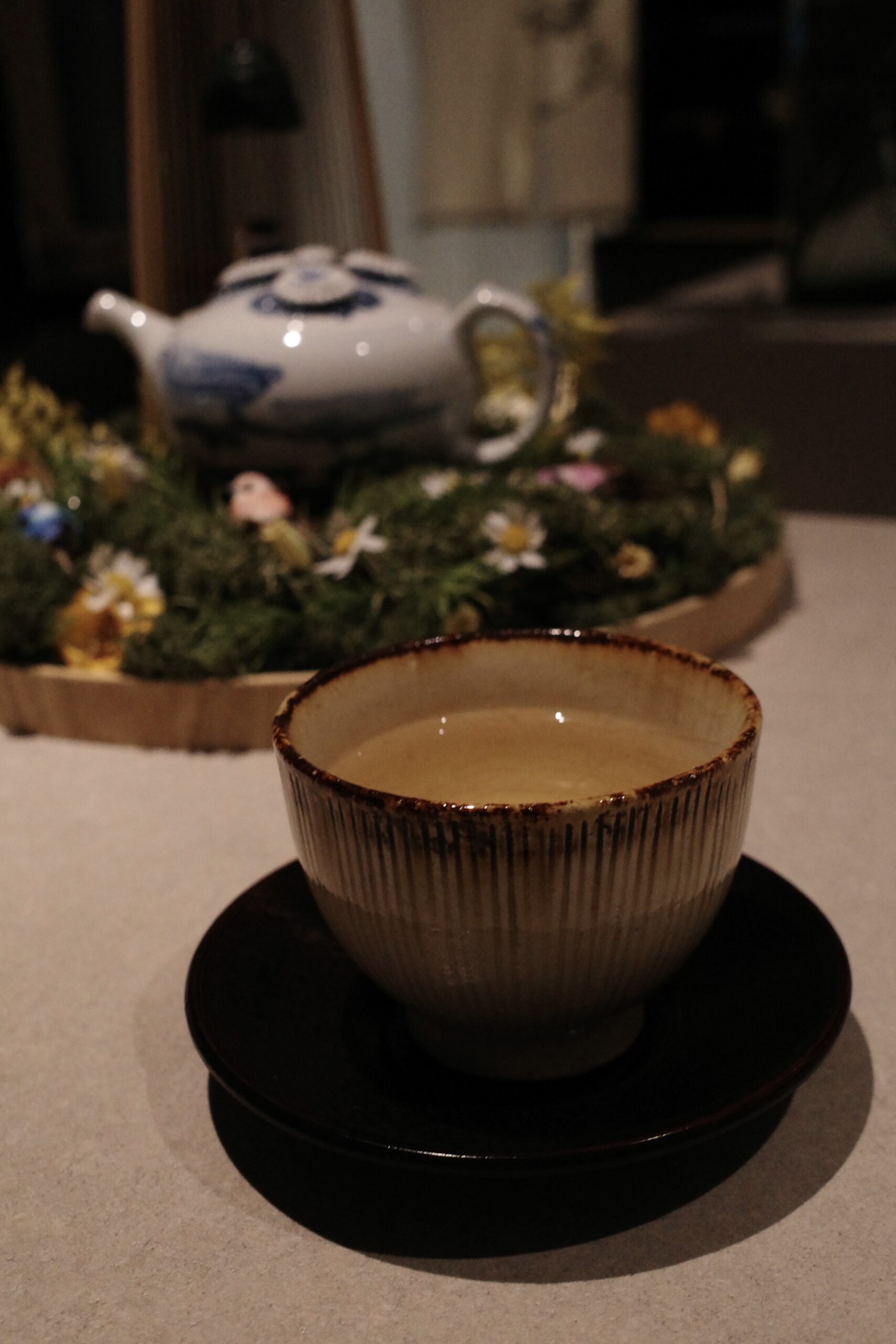
오모테나시를 한 단어로 옮기면 흔히 ‘환대’라고 합니다. 하지만 이 말에는 환대만으로는 다 담기지 않는 마음이 있습니다.
오모테나시는 아무런 대가를 바라지 않고 상대를 먼저 생각하는 마음에 가깝습니다.
손님이 요청하기 전에 먼저 살피고, 그 마음을 손님이 알아채지 못해도 달라지지 않습니다.
이 정신이 가장 잘 드러나는 곳이 일본의 다도입니다.
차를 준비하는 사람은 손님의 발걸음 소리와 그날의 날씨, 계절의 흐름까지 살핀 뒤 다구를 고르고 자리를 마련합니다.
손님은 그 모든 과정을 알지 못한 채 자리에 앉습니다. 알아주지 않아도 괜찮다는 마음으로 준비하는 것, 그것이 오모테나시의 본질입니다.
이런 마음은 일본 요리 문화 전반에도 자연스럽게 스며 있습니다.
그릇의 온도와 젓가락이 놓인 방향, 요리가 나오는 순서까지 하나하나가 손님을 향한 배려에서 시작됩니다.
하지만 손님은 그것을 특별한 서비스라고 느끼지 않는 경우가 많습니다. 그저 모든 것이 자연스럽다고 받아들일 뿐입니다.
오모테나시는 그 자연스러움 뒤에 있을 때 가장 완전합니다.
너무 의식되면 부담이 되고, 살핌을 받고 있다는 사실 자체가 오히려 거리를 만들 수 있기 때문에 이런 배려는 손님에게 드러나지 않는 편이 좋습니다.
그래서 오모테나시를 배우는 사람은 자신의 노력을 드러내지 않는 법부터 익힙니다. 보이지 않는 곳에서의 정성과 보이는 곳에서의 정성이 같아야 한다는 원칙이 그 출발점입니다.
이 마음은 매뉴얼만으로는 익히기 어렵습니다. 매뉴얼은 정해진 상황에 대한 대응을 알려주지만, 오모테나시는 매번 다른 손님과 다른 날씨, 다른 순간을 새롭게 읽어내야 하기 때문입니다.
그래서 오모테나시를 배운다는 것은 규칙을 외우는 일이 아니라 사람을 관찰하는 감각을 오래 기르는 일에 가깝습니다. 같은 상황이라도 사람마다 다르게 받아들인다는 사실을 몸으로 익히는 데는 시간이 필요합니다.
경험이 쌓일수록 살필 수 있는 범위도 넓어집니다. 처음에는 눈에 보이는 것만 보이다가, 시간이 지나면 말투의 작은 변화와 잠깐의 침묵까지 자연스럽게 읽게 됩니다.
결국 오모테나시는 화려한 몸짓이 아니라, 상대가 미처 말하지 못한 것까지 먼저 알아차리는 조용한 마음입니다.
아무것도 부탁하지 않았는데 필요한 것이 이미 준비되어 있는 순간. 오모테나시는 바로 그때 가장 자연스럽게 전해집니다.
하쿠시의 모든 접시와 손짓 뒤에는, 말로 전해지지 않았을 뿐 이미 먼저 헤아린 마음이 담겨 있습니다.
Omotenashi is often translated simply as hospitality. Yet the word carries a depth that hospitality alone cannot fully express.
At its heart, omotenashi is about putting another person first without expecting anything in return. It begins with noticing what a guest may need before they ask, and remains unchanged even if that care goes unnoticed.
Nowhere is this spirit more evident than in the Japanese tea ceremony. Before serving a single cup of tea, the host considers the sound of the guest’s footsteps, the weather, and the changing seasons before selecting the utensils and preparing the space.
The guest simply takes a seat, often unaware of the countless decisions made on their behalf. Preparing with no expectation of recognition—that is the essence of omotenashi.
The same philosophy quietly shapes Japanese cuisine. The temperature of each plate, the placement of the chopsticks, and the sequence of every course are all thoughtful choices made with the guest in mind.
Most guests never think of these details as service. They simply feel that everything unfolds naturally. Omotenashi is at its finest when it remains invisible.
Care that draws attention to itself can become a burden. Being too aware that someone is watching over you may even create distance. That is why those who practice omotenashi first learn how not to display their effort. The care offered behind the scenes should be no different from the care shown in front of the guest.
This is not something that can be learned from a manual alone. A manual teaches how to respond to familiar situations, but omotenashi asks us to read every guest, every season, and every moment as something entirely new.
Learning omotenashi is therefore less about memorizing rules than about developing the sensitivity to observe people. It takes time to understand that the same situation can be experienced differently by different people.
With experience, that awareness naturally deepens. What begins with noticing only the obvious gradually grows into sensing subtle changes in tone, brief moments of silence, and unspoken emotions.
In the end, omotenashi is not expressed through grand gestures. It is the quiet ability to understand what has not yet been said.
When everything a guest needs is already there before they have to ask, omotenashi has been quietly fulfilled.
Behind every plate served and every gesture at 𝗛𝗔𝗞𝗨𝗦𝗜 is a thoughtfulness that arrived before words.